Author: del.harrow
-
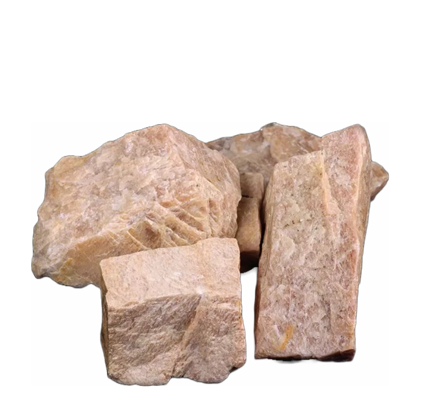
Custer Feldspar
by Rose Schreiber A truck emerges from a processing plant along route 385, just 4 miles south of the town of Custer, South Dakota. This is the Black Hills region, close to the border with Wyoming. The truck is stacked high with heavy paper bags filled with a fine white powder: a mineral, mined from…
-
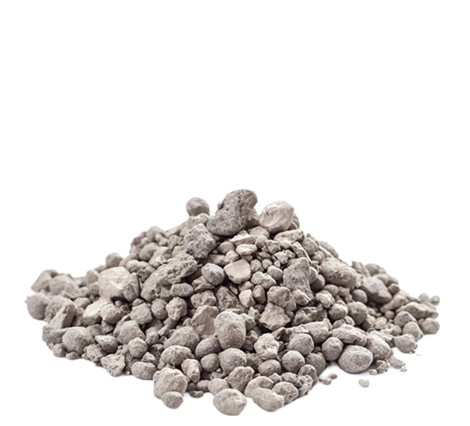
Ball Clay
Map of the HC Spinks Clay Company in Gleason Tennessee. The HC Spinks and Kentucky Tennessee Ball Clay companies are both located in this region on the Kentucky/Tennessee border. As you zoom out on the map you can find multiple clay mine locations throughout the region. Around 50 million years ago, in the warm, wet…
-

Bentonite
by Rose Schreiber A fine grey-green powder. A type of clay. Swelling, clumping, thickening in water, becoming viscous. We add bentonite in such small amounts to our clay bodies and glazes—notice how, in a given recipe, it most often comes at the end, alongside stains and oxides. An addition to the whole. In ceramics, we…
-
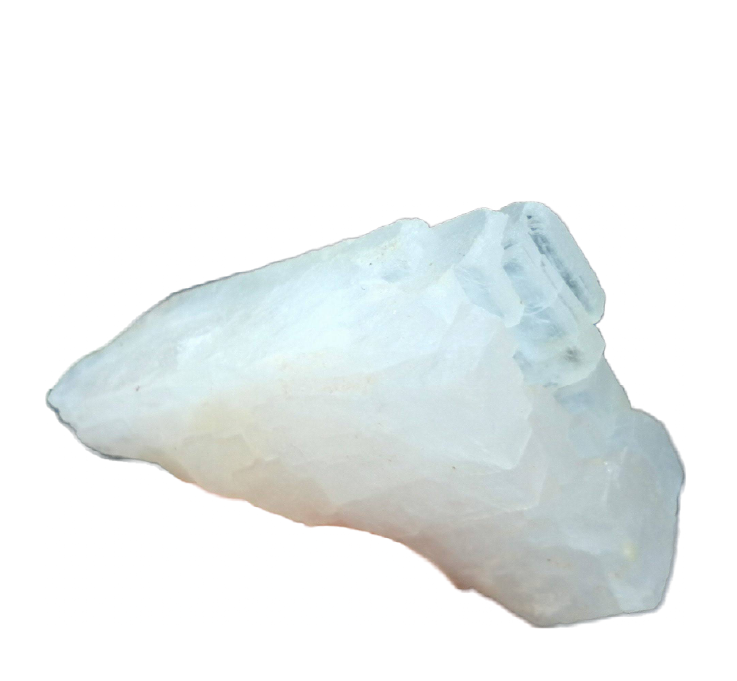
Barium
The barium carbonate we use in the pottery studio comes from the mineral barite. The words barium and barite are both derived from the ancient greek word barus, meaning physically heavy, burdensome, weighty or a deep and hollow sound, as in a “baritone”. The barium carbonate used in ceramics is a highly refined form and accounts…
-
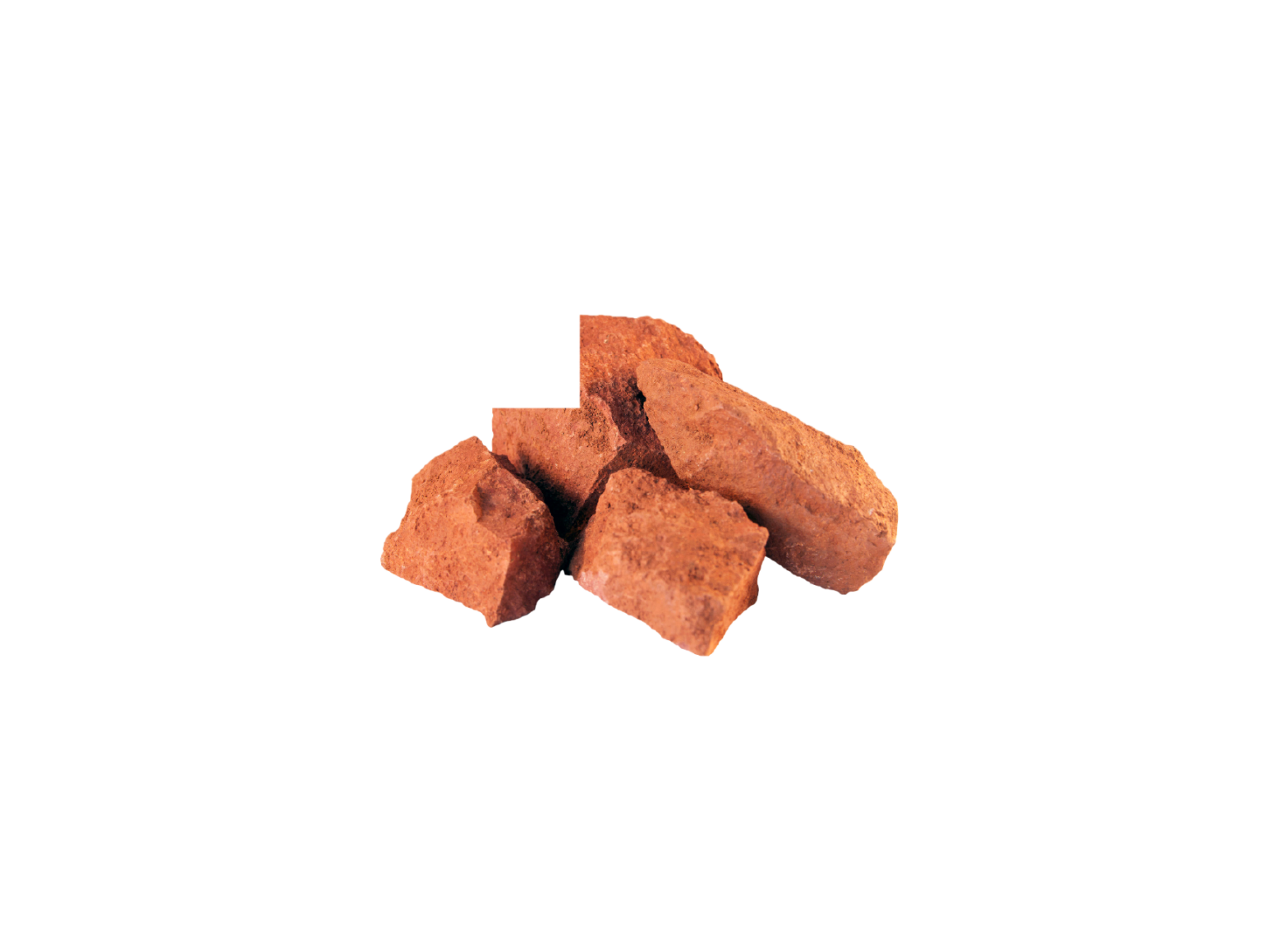
Alumina
Alumina is used in ceramics in the formulation of clays and glazes. Because of its very high melting temperature it is useful for kiln wash and wadding and for atmospheric firings, to protect shelves and ware from damage from melting glaze in the kiln. As an addition to glazes, alumina promotes matte textures, and in…